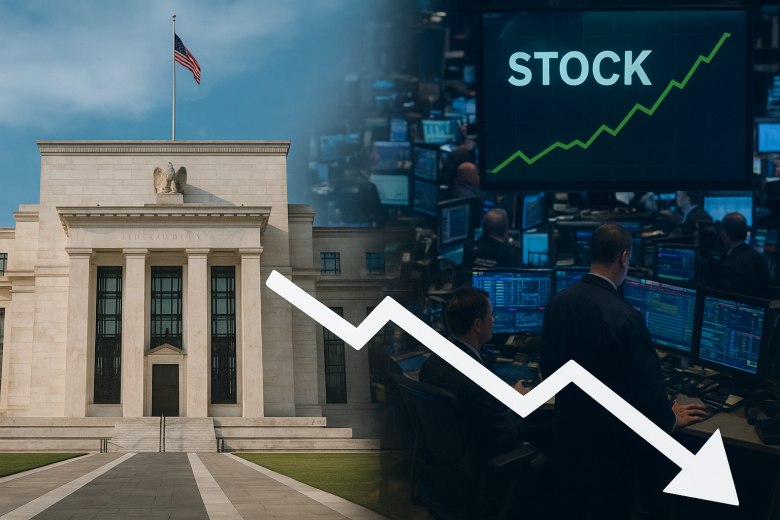
The Federal Reserve (Fed) has cut its benchmark interest rate by 0.25 percentage points (25 basis points), lowering the target federal funds rate to a range of 3.75%–4.00% from the previous 4.00%–4.25%.
This is the second rate cut of 2025.
The Fed’s decision comes amid signs of a slowing labour market, elevated inflation (though lower than peaks), and a tricky policy backdrop including a government shutdown limiting economic data.
Why It Matters for Beginners
If you’re just starting out in investing, here are the key take-aways:
1. Borrowing Costs and Company Profits
Lower rates mean cheaper borrowing for companies and consumers. That tends to help businesses expand, take on growth projects, and increase their odds of stronger earnings. Meanwhile, for you as an investor, this can improve the outlook for stocks.
As explained by one resource: when rates fall, “lower borrowing costs typically support stock market returns.”
2. Market Reaction: Stocks, Bonds & More
- Stock markets often respond positively to rate cuts because they signal the Fed wants to support growth. For example, early reaction to this cut saw gains for major indexes.
- Bond yields can adjust: because short-term rates drop, but long-term yields will depend on growth/inflation expectations.
- The dollar and other currencies, commodity prices, and sectors such as real estate or high-dividend companies may also see impact.
3. What It Doesn’t Do (Immediately)
- It doesn’t guarantee a booming market right away. If the cut reflects a weak economy, that weakness can damp growth and weigh on stocks.
- It doesn’t necessarily translate into instant lower mortgage rates or cheaper credit for everyone — these are influenced by many factors.
- It doesn’t mean inflation is solved — the Fed still faces the dual challenge of supporting growth and keeping inflation in check.
What This Means for Your Portfolio
Here are some beginner-friendly ways to think about adjusting (or not) your investment approach:
- Stay diversified. A rate cut is a positive signal, but markets can be volatile. Use a broad mix of stocks (domestic/international), bonds (or bond funds), and maybe other assets depending on your risk tolerance.
- Consider more rate-sensitive sectors. With lower rates, sectors like consumer discretionary, real estate investment trusts (REITs), utilities or high-dividend stocks can become more attractive.
- Re-evaluate borrowing and debt. If you have margin loans, or are considering leveraged positions, lower rates may reduce costs—but remember risk still exists.
- Don’t chase the cut. Rate cuts are often anticipated by markets well in advance. What matters is the Fed’s future path and whether growth/inflation pick up. As one article noted, “interest rates may be relatively high but solid corporate earnings growth supports equity prices.”
- Keep an eye on economic data. Since the cut partly reflects concern about labour weakness and data gaps (e.g., due to the government shutdown), upcoming reports will influence how markets interpret this move.
Bottom Line
The Fed’s rate cut to 3.75%–4.00% signals a shift toward supporting growth amid signs of softness in the U.S. economy. For beginners in investing, it’s a favorable backdrop for stocks overall, but it’s not a guarantee of broad gains. The smart move? Stay disciplined, maintain a diversified portfolio, and focus on long-term goals rather than reacting to every policy change.
Quick Action Items:
- Review your portfolio: Does it have appropriate diversification?
- Think about your timeline: If you’re long-term (10 + years), current policy is less of a short-term worry.
- Avoid making big speculative bets just because “the Fed cut rates”.
- Keep tabs on key upcoming data: jobs, inflation, corporate earnings. These will shape how the market digests this policy move.