Understanding the Allegation
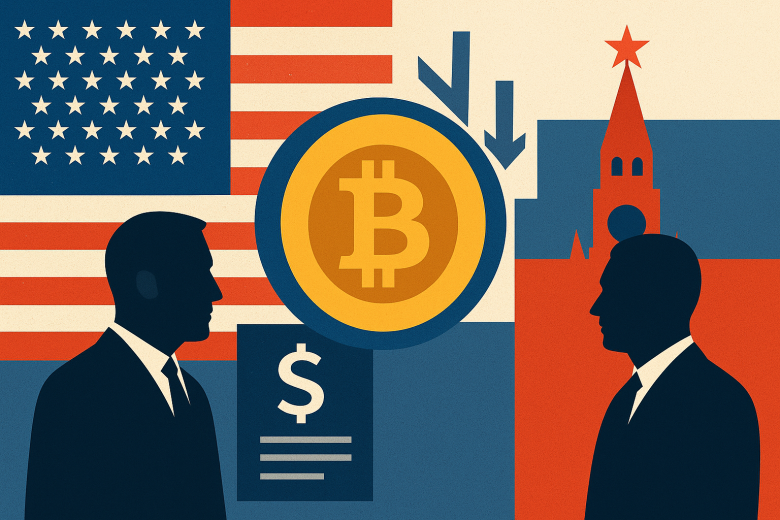
In September 2025, a senior adviser to Russian President Vladimir Putin, Anton Kobyakov, publicly alleged that the United States is preparing to move a portion of its roughly $35-$37 trillion national debt into cryptocurrency instruments (particularly stablecoins) as a means of devaluing the debt and “resetting” the financial system.
He framed it this way: the U.S. faces waning confidence in the dollar, so Washington may “rewrite the rules” of the gold and crypto markets to usher in an alternative monetary structure.
The core of the accusation:
- That debt would be “placed into stablecoins” (or crypto instruments) rather than traditional U.S. Treasuries.
- That this move would allow the U.S. to devalue the obligation, thereby reducing its real value.
- That the broader aim is a global financial system shift, reducing reliance on the U.S. dollar and upgrading crypto/gold alternatives.
Why Russia May Be Making That Claim
From an investing-beginner perspective, it is important to ask why Russia would raise this claim now:
- Geopolitical signaling: Russia has a strategic interest in weakening the dominance of the U.S. dollar and promoting de-dollarisation.
- Crypto narrative leverage: By advancing a bold story of the U.S. manipulating debt via crypto, Russia positions itself as exposing U.S. financial “machinations” — useful for diplomatic, economic or propaganda purposes.
- Market influence: Such allegations stir uncertainty and may influence currency, gold and crypto markets — an angle worth noting for investors.
How Should Beginners View It?
- The claim is highly speculative and not supported by detailed policy documents that show the U.S. government is converting its debt into crypto. Indeed, commentators note many legal, accounting and operational hurdles.
- Nevertheless, the allegation does shine light on two real trends: the massive U.S. debt burden (~$35-$37 trillion) and rising interest in crypto/stablecoin infrastructure.
- For an investing beginner: treat this as an interesting “what if” scenario rather than a confirmed development. It’s less about whether the U.S. is doing this, and more about how such narratives can influence sentiment, risk perception and market behaviour.
What Is the U.S. Actually Doing Today on Crypto, Stablecoins & Debt?
Here’s a breakdown of current U.S. activities and how they compare with the Russian claim.
U.S. National Debt Status
- The U.S. federal government’s gross debt recently hovers around $37 trillion.
- This is a huge figure, and one driver of debates around fiscal sustainability — but having high debt does not automatically imply conversion into crypto.
U.S. Policy on Stablecoins & Digital Assets
- In July 2025, the U.S. signed into law the GENIUS Act which provides a regulatory framework for payment stablecoins. Under this law, stablecoins must be backed 100% by reserves (cash or short-term Treasuries) and must provide regular disclosures.
- U.S. regulators have signalled that stablecoin regulation is intended to preserve the dollar’s dominance and integrate innovation — not to offload sovereign debt into crypto.
- The U.S. also announced the concept of a Strategic Bitcoin Reserve in March 2025: an executive order calls for a federal “digital asset stockpile” and bitcoin reserve held by the U.S. government.
Converting National Debt Into Crypto?
- There is no confirmed process where U.S. government debt is being swapped into stablecoins or tokenised in a way that changes its legal or economic terms. Analysts highlight massive scale mismatches: the stablecoin market is in the hundreds of billions, while U.S. debt is tens of trillions.
- The mechanism alleged by Kobyakov (placing debt into stablecoins then devaluing) would require new legislation, novel accounting/tax treatments, global market acceptance and infrastructure that doesn’t presently exist.
Why the U.S. Might Be Pursuing Crypto-Adjacent Policy
- Innovation & competitiveness: The U.S. sees value in having a stablecoin/crypto ecosystem regulated at home.
- Dollar leverage: Ensuring the dollar remains central in financial markets even as digital innovation spreads.
- Risk management: Recognising that decentralized finance and tokenisation could reshape parts of the financial system — so better to shape them than be surprised by them.
Key Takeaways for Beginner Investors
- Narratives matter: Even if the U.S. isn’t converting debt into crypto today, the idea itself can influence markets — gold, crypto, dollar strength, and U.S. Treasury yields.
- Large debt is a real structural risk, but the conversion into crypto remains speculative. Focus your investing lens on observable policy moves (stablecoins, regulation, digital assets) rather than unverified schemes.
- Diversification and risk awareness are key: Because narratives like this can increase volatility and cause unexpected shifts in investor behaviour.
- Stay updated: For instance, if Congress ever passes a law converting or tokenising debt, that’s a real game-changer. For now, track stablecoin regulation, Treasuries, dollar index and crypto-asset adoption.